Introduction to Learning Disabilities
People with learning disabilities have specific access needs that affect:
- understanding implied or indirect information
- understanding or working with numbers
- understanding or using spoken language
- writing or reading text
These needs are often permanent, but can be temporary. These needs affect many everyday activities, especially at work or school. You can use certain ways of communicating information to support people with learning disabilities.
Overview
Section titled “Overview”Various access needs affect how people learn about the world and process information. These needs vary, but affect how people receive information, and how they produce information. This information can be in the physical world, in digital spaces, or in how things are said or done. These access needs do not just affect school, but work, travel, and how people interact with others.
Common access needs for people with these disabilities include:
- understanding implied or indirect information
- understanding or working with numbers
- understanding or using spoken language
- writing or reading text
You can learn more about these needs on
The needs and methods to support people with learning disabilities may vary culture to culture. For example, different languages use different scripts, and people with learning disabilities may have different needs depending on a language’s script.
Many people with learning disabilities also have cognitive disabilities. You can learn more in Introduction to Cognitive Disabilities (Ta11y).
Common disabilities that affect learning include, but are not limited to:
- ADHD
- Autism
- Dyscalculia
- Dyslexia
- Intellectual disabilities like Down syndrome or fetal alcohol syndrome
- Processing disorders
Learning-related access needs
Section titled “Learning-related access needs”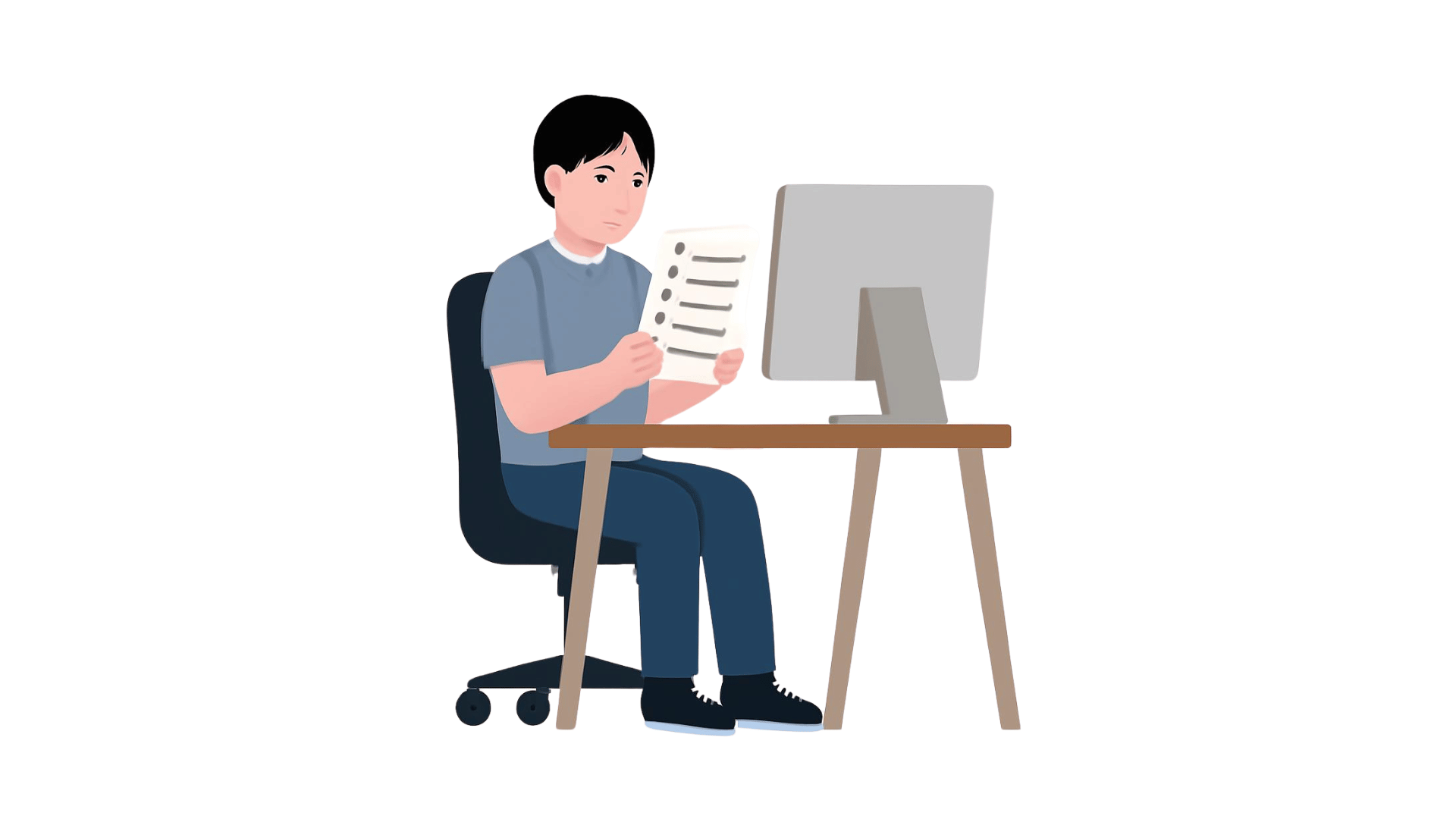
Limited understanding of implied content
Section titled “Limited understanding of implied content”This category includes people who:
- may not understand implied content, body language, or other indirect communication
- may have trouble understanding implied content, body language, or other indirect communication
- may have trouble understanding or using similes, humor, irony, metaphor, or other indirect forms of expression
The way people experience this need varies across cultures. For example, facial expressions may be considered direct in one culture, but indirect in another. In addition, wording or phrases that are indirect in one language may be direct in another.
People with these needs benefit from:
- Plain language
- Direct language - as appropriate for the language
- Communication by multiple means - for example, by words and body language, or images and writing
- Examples or samples that further explain content
- Checklists and other clear directions
Common disabilities associated with this need include, but are not limited to:
- ADHD
- Autism
- Traumatic brain injury
You can learn more from Writing Accessible Content (Ta11y).
Limited ability to understand number-based concepts
Section titled “Limited ability to understand number-based concepts”People with this access need have difficulty using numbers. They may have trouble understanding numbers, or expressing number-based concepts, such as:
- Temperature
- Weight
- Size
- Amounts of money
- Population
- Area
People with this access need often benefit from:
- Alternate ways of expressing quantity - for example, visual comparisons of amounts, or examples to illustrate size
- Support in using numbers
- Clear explanations of amounts - for example, with items on a receipt
- Plain language
- Tools that help with processing numbers such as calculators
Common disabilities linked with this access need include, but are not limited to:
- Dyscalculia
- Intellectual disabilities like Down syndrome
- Traumatic brain injury
Learn more from Clarify Numbers and Symbols (Ta11y).
Limited ability to understand spoken language
Section titled “Limited ability to understand spoken language”People with this access need can hear, but may have difficulty:
- understanding information in spoken language
- using speech to express themselves
These needs often align with vocal and auditory disabilities - see Introduction to Auditory Disabilities (Ta11y) and Introduction to Vocal Disabilities (Ta11y) for more.
People with this access need often benefit from:
- written alternatives to speech
- augmented and alternative communication (AAC) devices
- picture alternatives to spoken language
- plain language
Common disabilities linked to this need include, but are not limited to:
- ADHD
- Aphasia
- Auditory processing disorder
- Autism
- Intellectual disabilities
Learn more from Balancing Different Access Needs (Ta11y) and Use Plain Language (Ta11y).
Limited ability to produce or process written language
Section titled “Limited ability to produce or process written language”People with this access need can see, but may have difficulty reading, writing, or working with written language.
People with this access need often benefit from:
- Text-to-speech tools and other reading software
- Spoken or image-based alternatives to written text
- More time to read or write information
- The use of specific fonts, text size, and text colors for written language
- Providing clear and consistent document structure
Common disabilities linked to this need include, but are not limited to:
- Dyslexia
- Processing disorders
- Traumatic brain injury
Learn more from Content Organization (Ta11y) and Font Choices (Ta11y).
Accessibility Impacts
Section titled “Accessibility Impacts”People with learning disabilities face barriers when information is only presented in ways that are inaccessible to them. For example:
- Understanding directions that are unclear: Some people with learning disabilities may not understand indirect directions on a product’s package. They may not be able to use the product as a result.
- Understanding number-based information: Some people with learning disabilities may have trouble using number-based directions, such as measurements or weights, when assembling the product.
- Using language: Some people may not be able to communicate these concerns easily or at all in spoken or written language.
These barriers can prevent people from accessing things they need or opportunities at work, at school, in social spaces, and in public.
Supporting methods
Section titled “Supporting methods”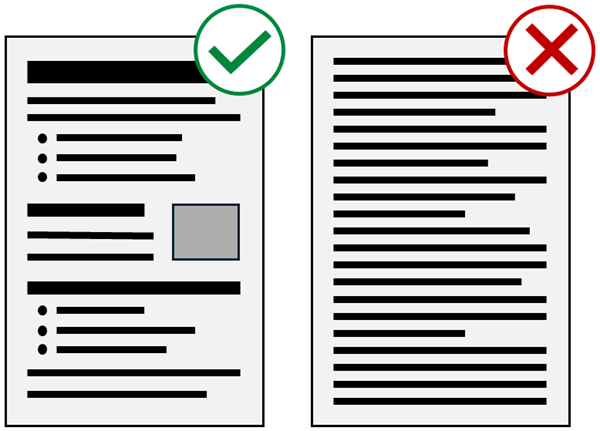
General guidelines
Section titled “General guidelines”- Communicate by multiple means - for example, through speaking or by writing.
- Provide alternates where possible - for example, by expressing measures in more than one way.
- Use images, text, and other means together whenever possible.
- Design so that people can do things independently, but offer human help whenever needed
Communications and plain language
Section titled “Communications and plain language”- Avoid complex words and sentences, and make sure you use clear tenses and ways of saying information.
- Clarify numbers, symbols, and words that people may not know.
- Use direct language as appropriate for the language you are writing in.
- Provide examples, if you are telling someone how to do something.
Examples
Section titled “Examples”Gudny is a UX/UI designer with dyslexia. She sometimes has trouble spelling things correctly, or reading text written in complicated fonts or with complicated layouts. She uses a screen reader to read many documents, and voice input and spelling correction software when writing materials in the three languages she speaks. These help her focus on the content of what she is reading or writing, and she can then worry less about spelling. When she needs to send a formal message at work, she often asks her friend Elin to check her documents before they are sent. At home, when she needs to write a message for her music club, she will often ask her neighbors Signy or Hrani to review the message before sending it.
Imi has an intellectual disability. He has difficulty speaking, and sometimes finds it difficult to understand or process spoken language. He often relies on written directions and visuals for everyday tasks, many of which have been created by his brothers, Gisli and Sigurdur. Imi is recovering from a minor surgical procedure, and needs to change his bandages in a certain way and keep the wound area clean. When the surgeon spoke to him, Imi found it hard to follow the directions. The surgeon, Gisli, and Sigurdur created two step-by-step documents for him showing him how to clean the wound and change the bandage, with plain language instructions and drawings for each step. Imi finds this helpful, and it has meant his recovery has been smooth. If he needs help, he has added two cards to his communication device - “bandage help” and “cleaning help.” He can then go to Sigurdur and point at one or the other for assistance.
Birgitta is an avid home baker with dyscalculia. She is making a cake for her music club and for her friend Gudny’s birthday. She benefits from pictures in the recipe that show approximate amounts for each ingredients, and examples for sizes that do not rely on numbers - for example, “walnut-size” or “a full cup.”
Sigurdur is an autistic air traffic controller. He has trouble understanding implied content. In fact, he became an air traffic controller partly because in that career, almost all content is direct. He needs to renew his identity card for the airport complex where he works. He finds renewing this card easier than other processes, because the information on the form is plain language and direct, and it is clear what he needs to do. When he needs to call Birgitta, who handles the identification, with a question, she provides a direct answer with an example. He can then provide the correct documentation, and is able to renew his identity card.
Related tally Articles and Podcasts
Section titled “Related ta11y Articles and Podcasts”Many of these articles are forthcoming.
- Balancing Different Access Needs (Ta11y)
- Check Reading Level (Ta11y)
- Clarify Numbers and Symbols (Ta11y)
- Common Concerns for Document Accessibility (Ta11y)
- Content Organization (Ta11y)
- Customer Assistance (Ta11y)
- Font Choices (Ta11y)
- Introduction to Cognitive Disabilities (Ta11y)
- Use Plain Language (Ta11y)
- Writing Accessible Content (Ta11y)
- Your Role in Accessibility (Ta11y)
- Accessibility in Practice: All in Dublin (Ta11y)
References
Section titled “References”- Guide to the List of Recognised Disabilities provided by the Australian Government Department of Social Services
- Cognitive Disabilities, Government of Canada
- Cleveland Clinic Health Library
- Inclusion Europe
- International Dyslexia Association
- Job Accommodation Network (JAN) A to Z
- National Association of Councils on Developmental Disabilities (NACDD)
- The Listing of Impairments for Adults provided by the United States’ Social Security Administration (SSA).
- Making Content Usable for People with Cognitive and Learning Disabilities, W3C