Introduction to Safety Disabilities
Some people have disabilities that affect their safety in certain situations or when they are left alone. These disabilities affect how they respond to environmental factors or move around. Certain methods and supports can help people with safety disabilities stay safe.
Overview
Section titled “Overview”Some accessibility barriers can create safety risks. These barriers can also affect whether or when they can be alone, how their breathing or brain function are affected, and tools they need to stay safe — or even stay alive.
There is a wide range of disabilities that affect safety. Common access needs for people with safety disabilities include concerns related to:
- limited ability to be alone
- limited breathing
- avoiding mental health triggers
- seizures and neurologic disorders
These needs can be supported in digital and physical environments. Many also use service animals, and some also rely on support from others. You can learn more from Usable.
Many disabilities impact safety. In this article, we will focus on disabilities where safety is often a primary concern, including:
- Breathing-related conditions and disabilities, such as asthma or emphysema
- Burn injuries
- Epilepsy and other seizure disorders
- Mental health conditions, such as post-traumatic stress disorder (PTSD)
- Schizophrenia and other intrusive thought disorders
- Traumatic brain injury
Safety-related access needs
Section titled “Safety-related access needs”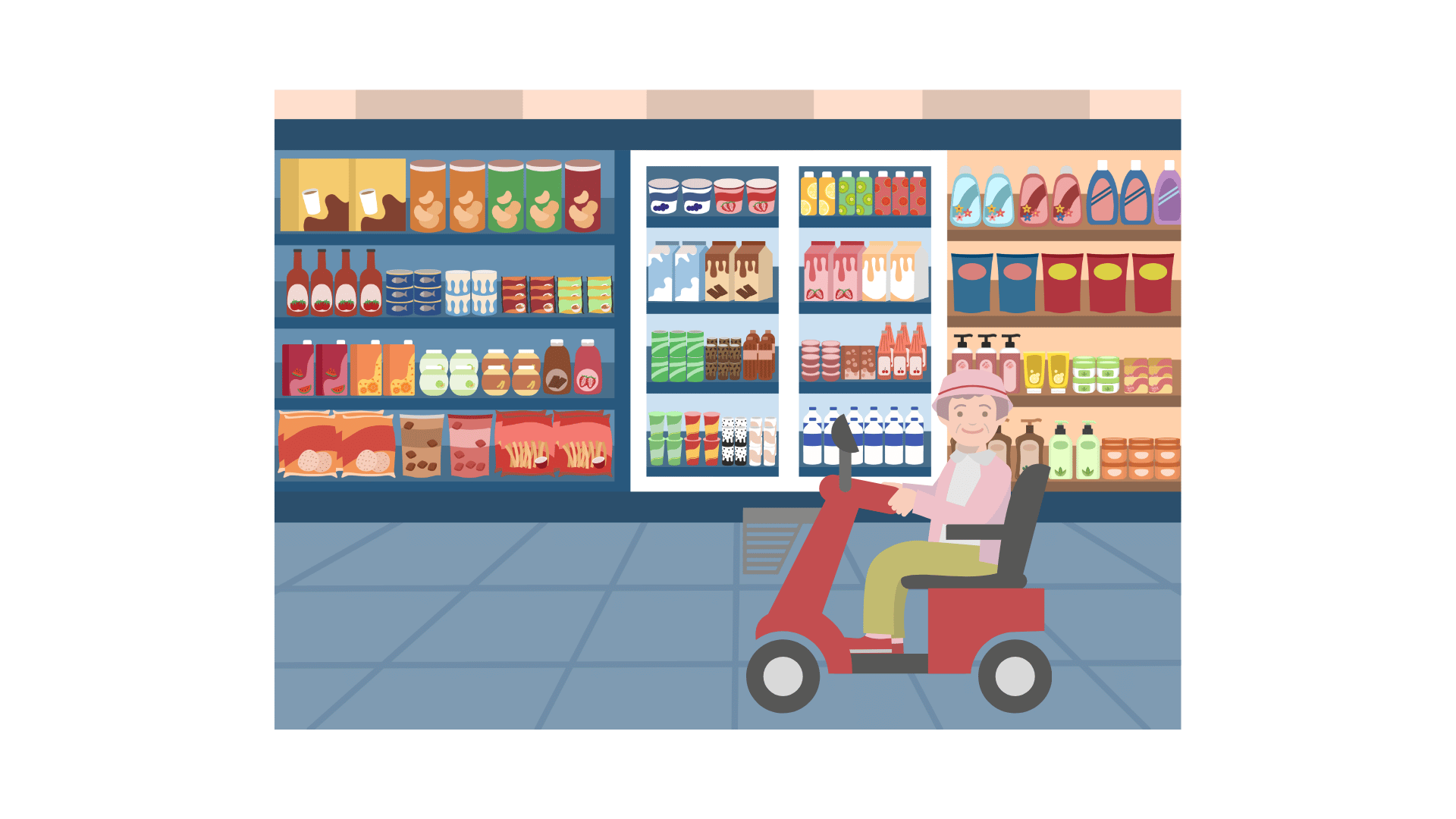
These are common descriptions for needs related to safety disabilities. You can learn more from these forthcoming Ta11y articles:
- Introduction to Mental Health (Ta11y)
- Introduction to Safety (Ta11y)
- Your Role in Accessibility (Ta11y)
Limited ability to be alone
Section titled “Limited ability to be alone”People with some disabilities may need to be with others to:
- Achieve certain tasks, such as using the restrooms
- Avoid risks, such as from fire or electricity
- Avoid falls
- Navigate day-to-day tasks and challenges
Without others, they may not be able to do these things safely or successfully.
These people often benefit from safeguards. These include the presence of other support people, such as family members, friends, or support workers, alert systems, other monitoring devices, and flexibility in tasks and processes to allow them to do things with the supports they need.
Common disabilities associated with this need include, but are not limited to:
- Dementia, including Alzheimer’s disease
- Intellectual disabilities
- Parkinson’s disease
- Schizophrenia
- Stroke
Learn more from Your Role in Accessibility (Ta11y)
Limited breathing
Section titled “Limited breathing”People with limited breathing may:
- Have limited stamina, or ability to do physical tasks
- May rely on external equipment to help them breathe
- May need to rest frequently because their breathing is at a lower volume than is typical
- May be sensitive to certain environmental factors, such as airborne chemicals
People with limitations to their breathing often benefit from rest areas, reduced exposure to environmental triggers, access to equipment, and support from others. In physical spaces, they also benefit from ventilation, fragrance-free spaces, avoiding smoke and smoke-free spaces, and places to sit.
Common disabilities associated with limited breathing include, but are not limited to:
- Asthma
- Burn injuries
- Cancer
- Chemical sensitivity
- Emphysema
- Long COVID
- Lupus
- Spinal cord injury
More information on supporting people with limited breathing in physical spaces can be found in Common Use Areas (Ta11y).
Safety-related access needs
Section titled “Safety-related access needs”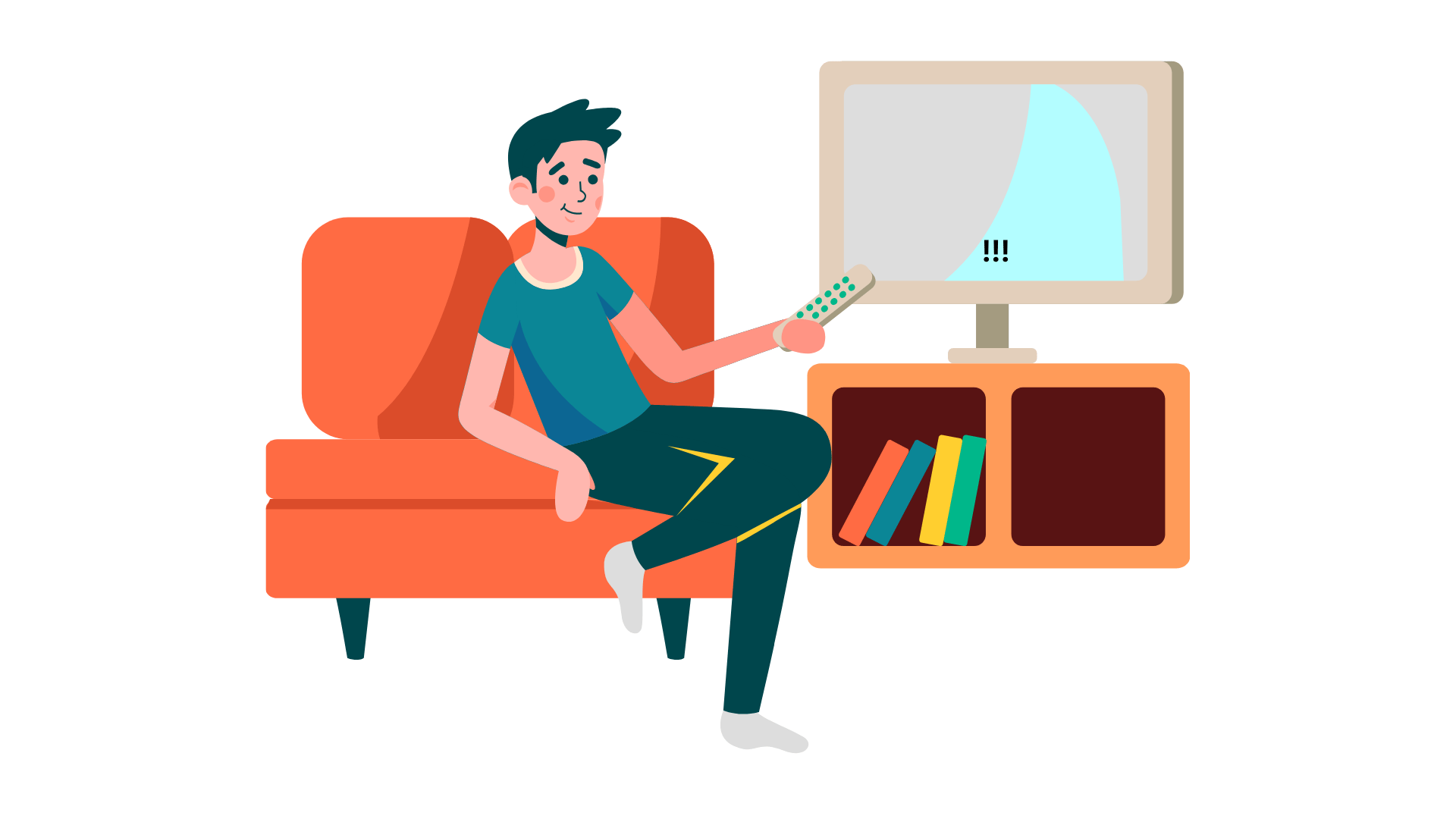
People with certain mental health conditions may experience flashbacks, physical pain, or may be unable to process real information when they are exposed to a trigger. A trigger is something that is associated with abuse or a traumatic event. These triggers can be highly disruptive and distressing.
Triggers vary from person to person, and ways to manage them do as well. Common triggers include images, videos, or detailed discussions of abuse and violence. Triggering content can be inaccessible for many people, or make spaces and platforms less accessible.
Common disabilities associated with risk from triggers include, but are not limited to:
- Anxiety
- Depression
- Post-traumatic stress disorder
- Other mental health conditions
Many people with risk from triggers benefit from warnings of such content. Clearly communicate triggers whenever possible. You can:
- Add warnings before content that may cause triggers
- In physical areas, provide ways to leave an area with such content - such as an exit from an art gallery.
- Allow users to stop or pause content.
Writing Accessible Content (Ta11y) can help you communicate clear warnings.
Seizures
Section titled “Seizures”People with certain disabilities are at risk of seizures. Seizures are sudden changes of brain activity that can lead to convulsions, loss of consciousness, or loss of control of one’s movements. Different triggers can lead to seizures for people with related disabilities.
Seizures can be dangerous. People with disabilities that involve seizures often seek to avoid things that trigger their seizures. Common triggers include flashing or flickering lights, fluorescent lights, chemical exposures (especially to perfumes, colognes, and fragrances), and high blood sugar. Accessibility includes helping people avoid seizure triggers.
Disabilities that involve seizures include, but are not limited to:
- Brain injury
- Cerebral palsy
- Diabetes
- Epilepsy
- Lupus
- Stroke
Key information on avoiding seizure triggers can be found in Flashing Content (Ta11y).
Accessibility impacts
Section titled “Accessibility impacts”- A lack of accessibility can be fatal for people with safety disabilities. Falls, seizures, and breathing episodes can have life-altering or deadly consequences. Triggers, especially mental health triggers, can also lead to dangerous episodes.
- Being left alone: Some people cannot be alone, or cannot be alone for long periods. For example: some people with safety disabilities need support when using the restroom. Without support, they can fall.
- Access to support: Some people need to get help quickly, or need monitoring if they are unable to request help in an emergency. For example, monitoring systems can help people with safety disabilities stay safe.
- Fragrances and scents: some people with safety disabilities cannot enter or stay in a public space in the presence of strong fragrances or scents.
- Impact of space design: Some people with safety disabilities cannot go into public spaces if certain access features are not available. For example, people with limited breathing may not be able to navigate spaces without rest areas.
- Unexpected triggers: Triggers impact how people interact with digital content and other media. Many people need warnings of flashing lights or violent content to avoid seizures or mental health consequences.
Supporting methods
Section titled “Supporting methods”General guidelines
Section titled “General guidelines”- Allowing for human help with tasks whenever possible
- Allowing flexibility in how tasks are done, to allow for:
- More time
- Human help
- Service animals
Physical spaces
Section titled “Physical spaces”- Designing spaces to support independence with or without safeguards
- Providing or allowing for support people or service animals
- Rest areas and furniture, such as benches, for people with limited breathing or limited ability to be alone
Communications
Section titled “Communications”- Warnings of mental or environmental triggers such as flashing lights and violent content
- Avoiding triggers such as by avoiding flashing lights or providing fragrance-free spaces
- Devices and equipment that help people with safety disabilities, such as:
- Alert systems
- Breathing equipment
- Mobility equipment
You can learn more from the articles linked in Related Ta11y Articles and Videos.
Examples
Section titled “Examples”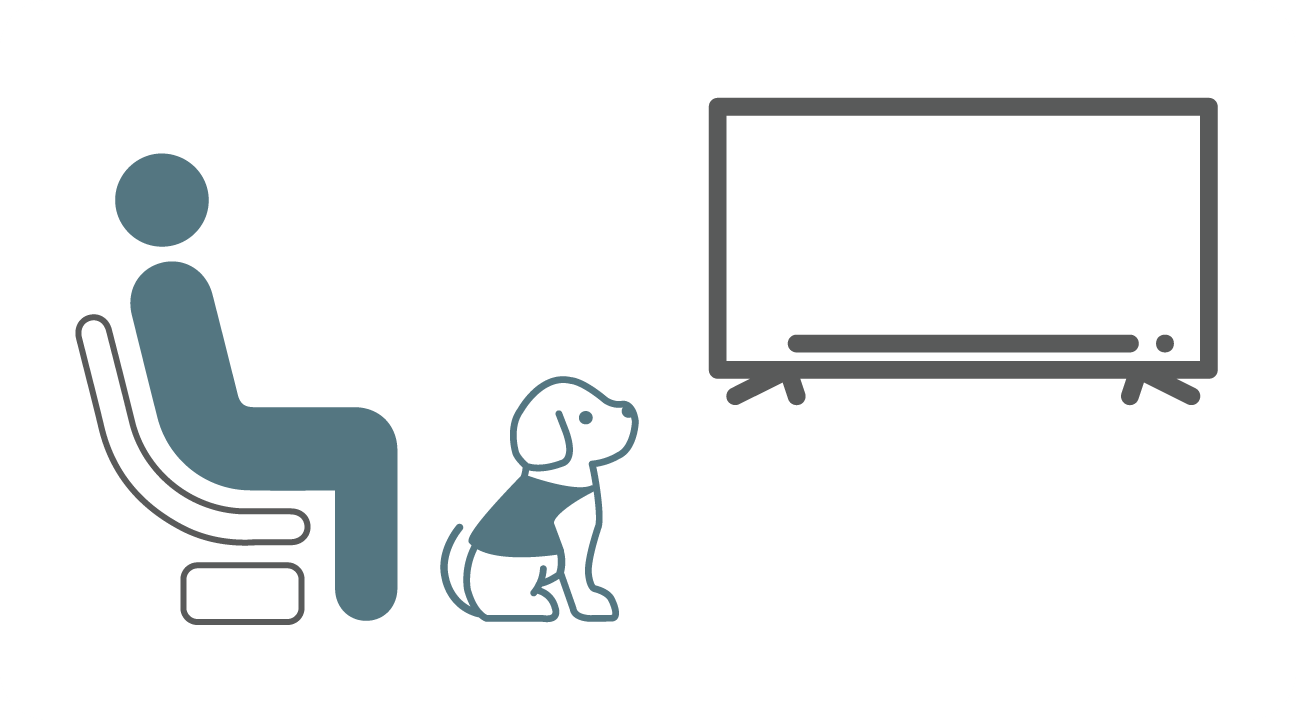
Kári is a survivor of armed conflict. He has complex post-traumatic stress disorder (CPTSD) and a traumatic brain injury. He can become overwhelmed and dissociate when something triggers his CPTSD. He can also experience seizures when exposed to certain frequencies of light. When watching television or consuming content online, Kári relies on warnings to let him know if there is flashing light, or when content featuring violence may be aired. To remain safe from seizures and to help him with triggers, he has a service dog, Thorgeir. Kári always has Thorgeir nearby if he is using the computer or watching television.
Unnur is an older adult with emphysema and a mobility disability. She relies on oxygen tanks and breathing equipment, and uses a wheelchair or walker to move around. Unnur needs support when away from home, in case she has trouble breathing or falls. She usually goes places with her granddaughter, Groa. Unnur also has an alert system attached to a necklace on her neck. If she falls or needs help at home, she can press a button to alert Groa and local emergency services.
Bergthora is a burn survivor. She has limited lung function as a result of her burns. When she goes to public spaces, she often needs to sit after walking short distances so as not to lose her breath and faint. In the bookstore or library, she often finds a bench to sit on. At the supermarket, she often uses a seated, automated cart.
Related Ta11y Articles and Videos
Section titled “Related Ta11y Articles and Videos”- Common Use Areas (Ta11y)
- Customer Assistance (Ta11y)
- Flashing Content (Ta11y)
- Introduction to Mental Health (Ta11y)
- Introduction to Safety (Ta11y)
- Writing Accessible Content (Ta11y)
- Your Role in Accessibility (Ta11y)
References
Section titled “References”- Guide to the List of Recognised Disabilities provided by the Australian Government Department of Social Services
- Canadian Lung Health Foundation
- Cognitive Disabilities, Government of Canada
- Cleveland Clinic Health Library
- Epilepsy Foundation
- Fire and Burn Foundation
- Job Accommodation Network (JAN) A to Z
- The Listing of Impairments for Adults provided by the United States’ Social Security Administration (SSA).
- Making Content Usable for People with Cognitive and Learning Disabilities, W3C
- Post-Traumatic Stress Disorder, Mayo Clinic